
Every day, authors are deciding whether to step behind the mic themselves or hire a professional narrator. Self-narration can feel like the most authentic choice—who knows your words better than you?—but it's not always the easiest or best path.
The truth: most authors (likely well over 90%, based on industry insights from narrators and platforms like ACX) don't narrate their own books. Professionals handle the vast majority because narration is a performance skill, not just reading aloud. That said, self-narration shines in certain cases and has real advantages.
Here's a balanced look at the pros, cons, and when it actually makes sense in 2026.
Pros of Narrating Your Own Audiobook
Unmatched Authenticity and Emotional Connection
Your voice carries your unique tone, passion, and intent. Listeners often feel a deeper, more personal bond—especially powerful for memoirs, self-help, motivational books, or anything rooted in your personal experience or expertise. Hearing the author tell their own story can make the content more vulnerable and resonant.
Cost Savings
Professional narration typically runs $200–$500+ per finished hour (PFH), so a 10-hour book could cost $2,000–$5,000 or more. Self-narration eliminates that fee (though you'll still invest in equipment, editing, or a producer). It's especially appealing for indie authors on tight budgets.
Full Control Over Timing and Interpretation
You dictate the pace—no waiting on a narrator's schedule. You can tweak emphasis, pauses, or delivery on the fly to match your vision exactly. No misinterpretations of tone or character intent.
Creative Satisfaction and Catharsis
Many authors find recording therapeutic—it brings the book full circle and can even boost confidence in public speaking or performance.
Cons and Challenges
Narration Is a Skilled Performance, Not Just Reading
Professional narrators train for years in pacing, breath control, character differentiation, accents, and emotional range. Authors often sound monotone, rushed, or inconsistent over long sessions. Listeners notice flat delivery, awkward pauses, mouth noises, or lack of vocal variety—issues that can hurt reviews and sales.
Stamina and Physical Demands
Recording a full-length book (8–15+ hours finished) requires 20–40+ hours in the booth due to retakes and pacing. Vocal strain, fatigue, and consistency across days/weeks are huge hurdles. Fiction with multiple characters is especially tough—creating distinct voices without sounding forced or caricatured is hard without training.
Equipment and Technical Setup
You need:
- A quiet space
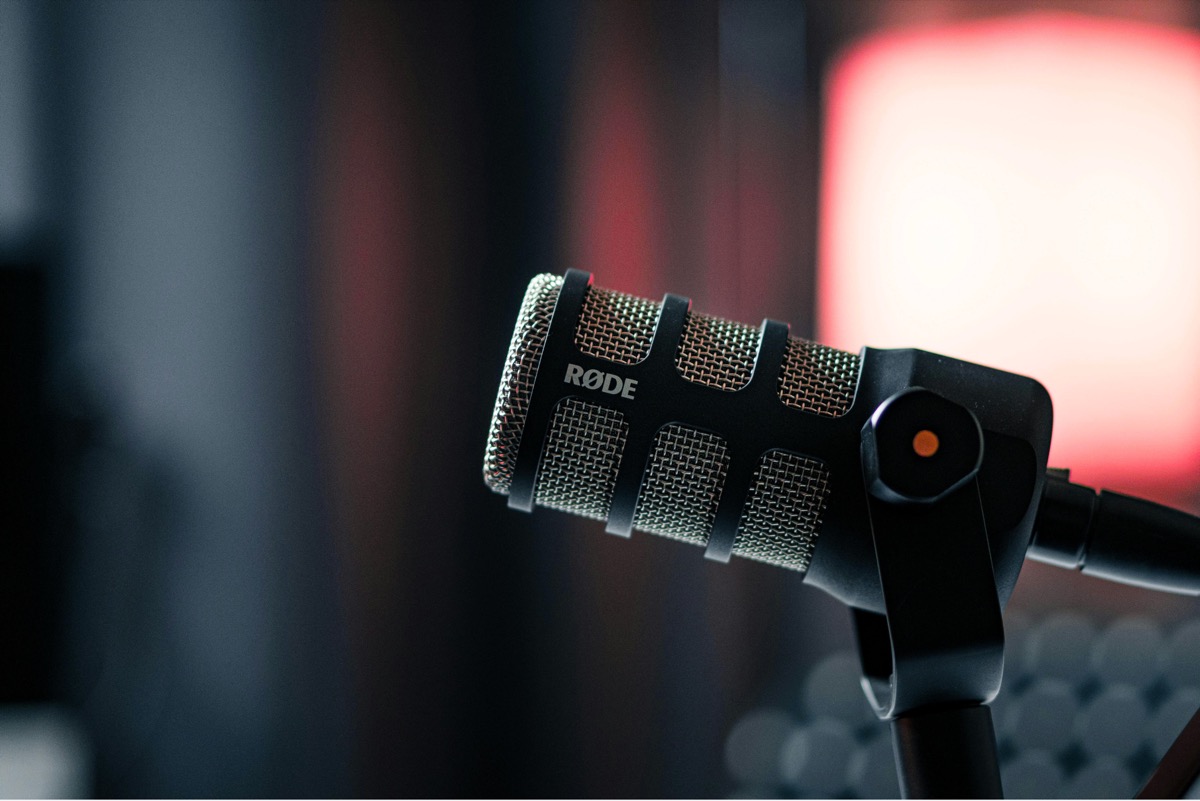
- A good microphone ($200–$500 range like a condenser mic)
- Pop filter and audio interface
- DAW software (Audacity is free, but pro tools help)
- Editing skills
Meeting platform standards (e.g., ACX's -23dB RMS, no noise/echo) takes trial and error. Poor production quality gets rejected or panned.
Time Investment
What seems like a money-saver can become a massive time sink. Learning the craft, recording, editing, and mastering diverts energy from writing your next book.
Audience Expectations
Many listeners prefer professional voices for fiction. Self-narration works best when your personality or story is the draw; otherwise, it can feel amateurish compared to polished alternatives (including AI in lighter genres).
When Self-Narration Makes the Most Sense
Self-narration shines in these scenarios:
-
Nonfiction, Memoirs, Self-Help, Business, or Personal Development — These thrive on the author's authentic voice and authority. Listeners often prefer hearing the expert speak directly.
-
Short Books or Novellas — Fewer hours mean less strain and easier production.
-
You Have Experience — Podcasters, speakers, teachers, or actors with vocal training and home setups fare best.
-
Budget Is Tight but Quality Matters — If you can invest in decent gear and perhaps hire an editor/producer for polish, it's viable.
-
Your Brand Benefits from It — Building a personal connection (e.g., fans know your voice from videos/podcasts) amplifies the audiobook's appeal.
When to Skip Self-Narration
Consider hiring a professional if:
- Your book is fiction-heavy (especially with diverse characters, accents, or high emotion)
- You lack vocal stamina or performance experience
- Time is your most valuable resource (focus on writing instead)
In 2026, with AI options handling basic narration affordably and human pros still dominating premium storytelling, self-narration is a strong choice only when your voice truly adds value.
The Bottom Line
Self-narration isn't right for everyone, but when it fits—particularly for nonfiction, memoir, or personal brand building—it can create an unmatched connection with your listeners.
The key questions to ask yourself:
- Does my voice add authentic value to this content?
- Do I have (or can I develop) the skills and equipment needed?
- Is this the best use of my time as an author?
If you answered yes to all three, self-narration might be your perfect path.
Need Help Deciding?
Not sure which route is right for your book? I'm happy to chat about your options. Whether you choose to narrate yourself or work with a professional, get a free sample chapter to hear what quality audiobook production sounds like.